
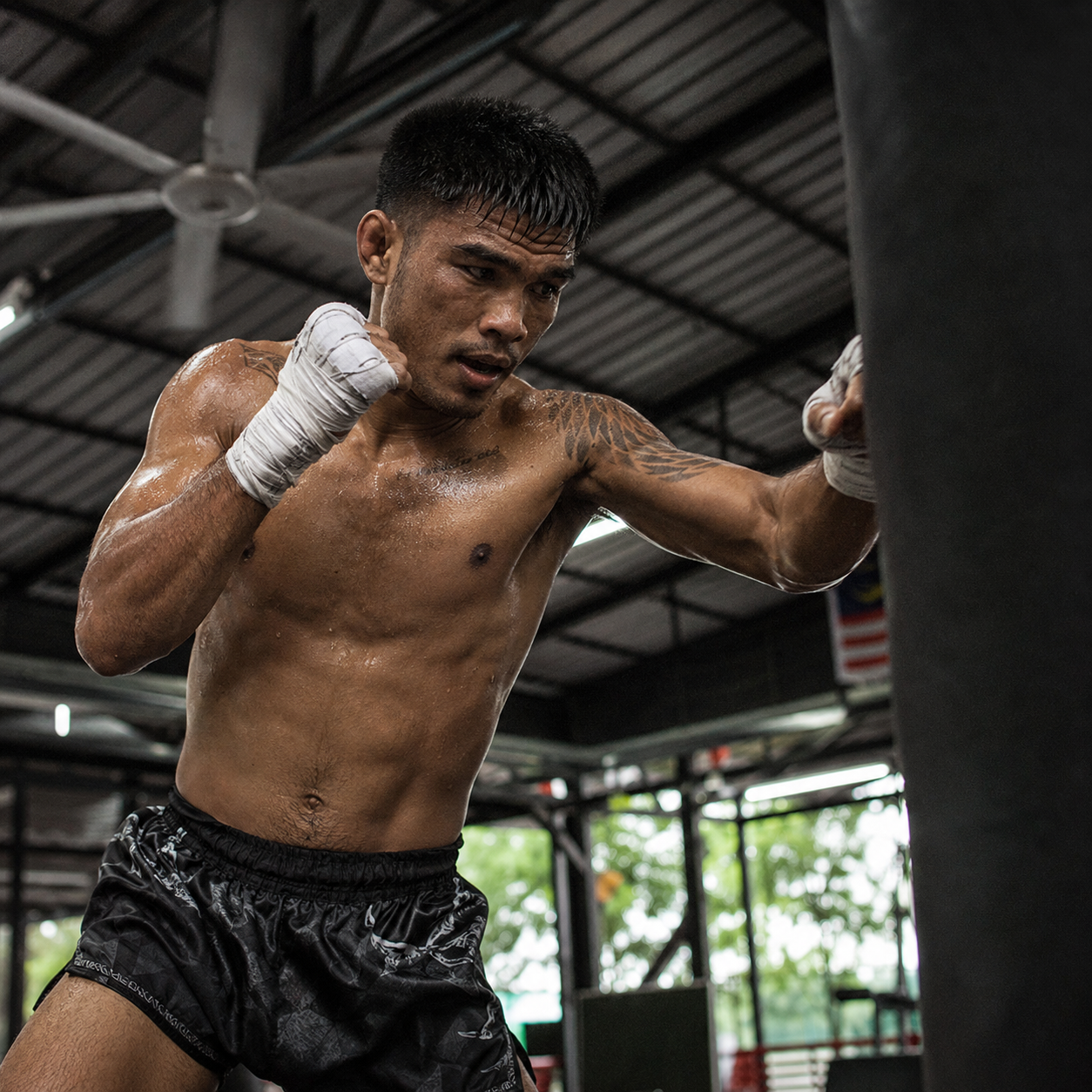
The Lumpinee Stadium crowd does not care where you are from. What it cares about is whether you can fight. That indifference, I have come to believe, is exactly what Malaysian MMA needed.
ONE Championship’s ONE Friday Fights series launched in February 2023, turning the historic Bangkok muay thai venue into a weekly MMA laboratory. Every Friday, fighters from across Southeast Asia and beyond walk into a space that has hosted thousands of real battles and try to prove something. For a small but determined group of Malaysian fighters, it has become the most important room in the sport.
I watched Johan Ghazali step into that room and understood immediately why the format works. There is no inflated production. No extended build-up packages. Just the fight — assessed by a crowd that has seen enough of the real thing to know when a fighter is genuine. When Ghazali landed cleanly, the applause was immediate and honest. When he was put on the back foot, the crowd waited to see whether he would answer. He did.
Why the Weekly Grind Matters
The significance of ONE Friday Fights for Malaysian fighters cannot be overstated. Before its launch, the path from regional circuit to genuine international exposure was jagged and slow. A Malaysian fighter might spend three years accumulating wins on the local scene — promotions like REV MMA or MY FC — without ever testing himself against the quality required to earn a ONE Championship contract proper.
Friday Fights changed the calculus. The card runs every week without pause. That volume means roster spots open constantly, development fighters get multiple opportunities per year, and the margin for error is genuine but survivable. A loss at ONE Friday Fights does not end a career. A convincing performance in defeat, showing semangat and improvement, can still earn the next booking.
Adam Sor Dechapan and Wan Muhammad Sabri have both used the series to sharpen edges that the domestic circuit cannot provide. The opposition is varied, often Thai or Southeast Asian opponents with deep technical roots, and that diversity is the point. A Malaysian fighter who can win at Lumpinee on a Friday night has earned something. The sport’s most credible promoter, according to ONE Championship’s own event records, has run over 140 editions of the series by the end of 2024.
The Health Question Nobody Asks
What I notice in the corridors after Friday Fights — and I have been in those corridors enough times to trust the observation — is how the travel affects the athletes who are not yet on full ONE contracts. The flights. The pre-fight weight management in Bangkok’s humidity. The return journey when the adrenaline has gone and the body is asking hard questions.
Malaysian fighters competing on the series are doing so largely without the support infrastructure that contracted ONE athletes receive. Coaches travel with them when budgets allow. When they do not, a fighter is alone in a foreign city managing the final days of a camp without the people who know his body best. I have seen this up close, and it sits uncomfortably against the genuine quality some of these athletes are producing.
This is not unique to Malaysia — read the Sports Health section on what lockdown did to Malaysian athletes’ bodies, and the theme of underprepared support structures runs through the whole post-pandemic period.
What It Means for the Bigger Picture
When ONE Championship returned to Malaysia in 2022 after the COVID hiatus, the conversation was about whether Malaysian audiences would come back. They did. But Friday Fights has revealed a different gap: Malaysian athletes competing at the highest regional level without Malaysian audiences watching.
The series is not broadcast on any Malaysian free-to-air platform. Streaming access exists, but the casual fan — the one who might be converted into a committed follower — is not finding these performances. A Malaysian fighter winning at Lumpinee is, for most people back home, effectively invisible.
ONE’s expansion of its Malaysian talent pipeline suggests the organisation understands the asset it has. Whether the domestic ecosystem — broadcasters, sponsors, NSAs — catches up before the next generation of Malaysian fighters goes looking for stages elsewhere is the real question Friday Fights is posing.
Every Friday night, someone answers part of it. The results are worth watching, even if most of Malaysia is not watching yet.