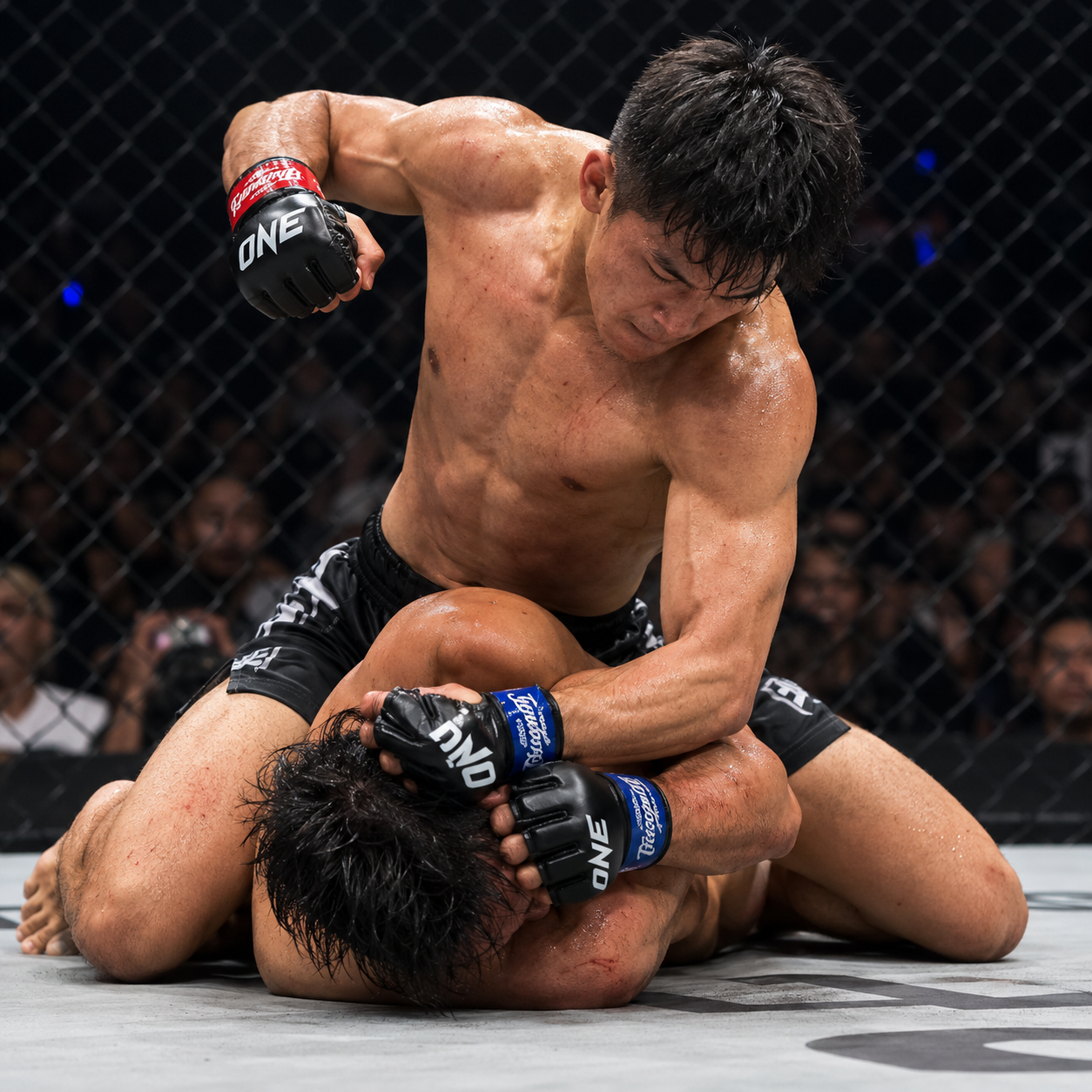
Walking into Axiata Arena on a fight night is a particular kind of feeling. The lights have a quality you do not get anywhere else — high and cold overhead, then warm and theatrical where they meet the cage. The crowd noise builds differently in this building. Something about the way it carries. I had missed it.
ONE Championship’s return to Malaysia in October 2022 was the first major international MMA event the country had hosted in roughly two years. The pandemic had shuttered live sport across the region, and while ONE had kept its calendar alive through a remarkable stretch of closed-door bubble events in Singapore from late 2020, the Kuala Lumpur crowd had been waiting.
They came back, and they were loud from the first card.
What TWO Years Away Had Revealed
The hiatus had done something unexpected to Malaysian MMA’s relationship with its audience. The absence of live events at home had pushed fans toward digital engagement — following ONE Championship’s streaming coverage, tracking Malaysian fighters competing in the Singapore bubble, building a literacy about the sport that felt more informed than before COVID.
The fans I spoke to outside Axiata Arena on fight night were specific about who they were there to see. They named fighters. They referenced recent results. They debated matchups. This was not the casual audience that sometimes turns up to a big entertainment event; it was a base that had sharpened itself in the absence of the real thing.
ONE had noticed. The Malaysia card was loaded with local and regional talent. The promotion understood that the crowd wanted to see themselves in the product.
The Fighters Who Came Back Different
Several Malaysian fighters who had competed in the ONE bubble emerged from that period visibly improved. The conditions inside the Singapore bubble — controlled environment, intensive training with international-level opponents, fewer distractions — had created a kind of forced development programme.
I had watched several of these fighters before COVID and again that night in October. The differences were not dramatic — this is not how sport works — but they were real. Footwork was cleaner. Clinch work was more considered. Weight management, which had been a recurring issue for Malaysian fighters in the tropical heat, seemed more professionally handled.
The sports science investment that ONE Championship had made in supporting bubble athletes had trickled into how Malaysian fighters approached their preparation. Some of that knowledge returned to Malaysia with them.
What the Crowd Needed to See
There is a cultural dimension to a live ONE Championship event in Malaysia that does not reduce to ticket sales or broadcast numbers. MMA in this country exists in a complicated space — a combat sport with deep roots in the Malay martial tradition, silat and wrestling and striking all folded into a modern international format, trying to establish itself as a legitimate athletic pursuit alongside more established sports.
According to ONE Championship’s official event announcements, the Malaysia return card featured seven bouts, with Malaysian and regional fighters across multiple weight classes. The crowd response to every local flag was emphatic.
That response mattered. It told the fighters on the card, and the ones watching, that the audience was still there and still invested. After two years of watching their sport on screens, Malaysians had not moved on. They had paid attention.
A Night That Meant More Than the Results
No single fight night resolves the structural questions about Malaysian MMA — development depth, fighter welfare, broadcast access. The conversation about how the MCO exposed those gaps had not been answered by one return event.
But some things do not need to be resolved in a single night. Sometimes what matters is that the room is full, the lights are right, and a fighter from Selangor or Johor walks out of a tunnel into a crowd that is already making noise.
The cage was back. The work of filling it with better fights, better-prepared athletes, and better-supported careers — that was the project the return had restarted. October 2022 was not an ending. It was permission to begin again.