The announcement came on the evening of 16 March 2020. Prime Minister Tan Sri Muhyiddin Yassin addressed the nation: a Movement Control Order would take effect on 18 March. All non-essential businesses would close. Gatherings would be prohibited. The order was initially for two weeks.
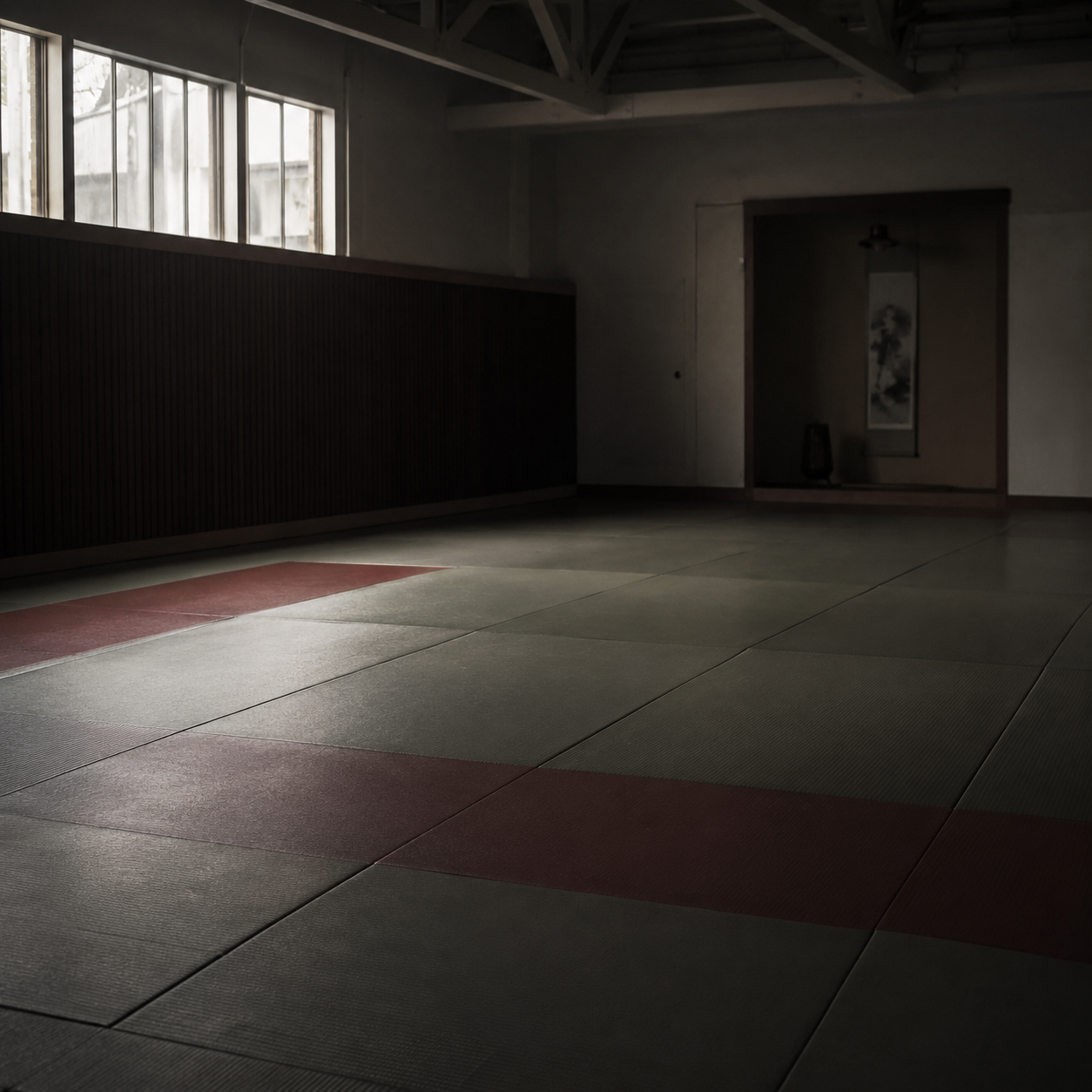
Within 48 hours, every MMA gym in Malaysia was padlocked.
I was in the middle of writing a piece about a Klang Valley welterweight preparing for a regional card when the MCO was declared. The fight was cancelled before I filed the story. The fighter, who had been two weeks out from competing, had nowhere to go except home and wait.
The Immediate Impact
Malaysian MMA does not have the infrastructure of an American or Brazilian fight organisation. There is no centralised academy with athlete housing, nutrition staff, and training facilities that remain operational regardless of external conditions. The sport in Malaysia lives in its gyms — rented commercial spaces, converted warehouses, shopfront academies — and when those spaces closed, the sport stopped.
Fighters at different stages of their careers felt the shutdown differently. Established professionals with international contracts — the fighters competing for ONE Championship who would eventually end up in the Singapore bubble — had institutional support and structured communication from their promotions. Development fighters, regional competitors, and the wide base of amateur athletes who fill Malaysian academies had nothing but their own resources.
The first two weeks of the MCO, most fighters treated as a rest period. This was, in the optimistic reading, an unexpected recovery block. Chronic injuries could heal. Sleep debts could be cleared. The body could absorb months of training without the usual imperative to prepare for the next fight.
By week four, the picture was different.
What the Lockdown Revealed
The MCO period exposed a structural reality about Malaysian MMA that the sport had been able to avoid confronting while the gyms were open: most fighters had no meaningful training protocol for extended at-home periods. This is not unique to Malaysia — gyms everywhere faced the same problem — but the absence of established sports science support made it more acute here.
I spoke to three coaches during the MCO. All three described the same dynamic: fighters who had no structured guidance about how to maintain conditioning at home, and who were making decisions — about eating, about training volume, about rest — that would create real problems when the gyms eventually reopened.
According to Bernama’s reporting on the MCO’s impact on Malaysian sport, the National Sports Council and affiliated federations moved to provide some guidance to national athletes. But MMA, which operates largely outside the formal NSA structure, was largely navigating the closure without official support.
The sports health implications of that gap took months to become fully visible. The broader story of what lockdown did to Malaysian athletes’ bodies includes MMA fighters whose return to training after extended inactivity was medically complicated — injury rates in the first weeks back were, by the accounts of physiotherapists I later spoke to, notably high.
The Accidental Benefits
There is an uncomfortable admission embedded in the MCO period: some Malaysian MMA fighters came out of it better than they went in.
Not because forced rest is universally good, but because the best-prepared fighters — the ones who took the closure seriously as an opportunity — used the time to address technical gaps that fight camp schedules do not allow. Footwork drills in a bedroom. Grip and conditioning work with whatever was available. Video analysis of fights they had never had the stillness to study properly.
These fighters returned to the mats with a different relationship to the craft of fighting. The lockdown had stripped away everything except the question of how much you actually wanted to improve when no one was watching and no fight was scheduled.
The answers were revealing.
After the Padlocks
When gyms began reopening in phases from May 2020 onward, the sport did not simply resume where it had left off. Fighters had to be rebuilt. Cardio, sharpness, the particular athletic intelligence that comes from regular sparring — these had eroded at different rates for different athletes, and the process of recovering them was slower and more complicated than a two-week camp could address.
Malaysian MMA emerged from the MCO period as a sport with a clearer picture of its own vulnerabilities. That clarity was not comfortable, but it was useful.
When ONE Championship finally returned to Malaysia in late 2022, the fighters on that card had all, in some form, been shaped by what the gyms closing in March 2020 had forced them to confront. Whether Malaysian MMA uses that knowledge to build something more resilient — better welfare structures, clearer support protocols, real investment in sports science — is the question the MCO left unanswered.
It is still unanswered. But at least the question is now being asked.