
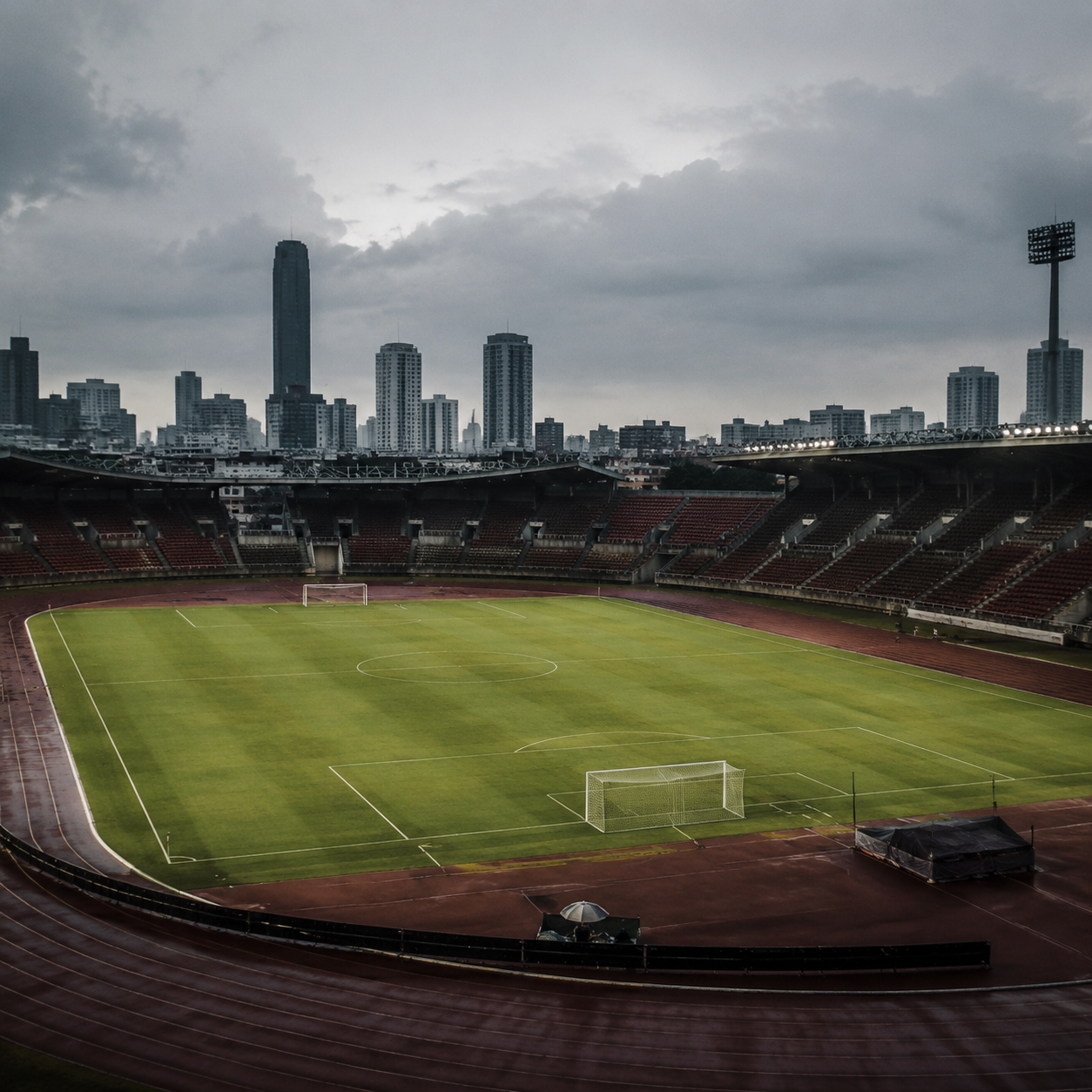
The Malaysia Super League 2020 season kicked off in February. By 18 March, it had stopped. The Movement Control Order closed sporting venues across the country, and the league — like every other organised sport in Malaysia — simply ceased.
For four months, the pitches were empty.
When the FAM and the Football Malaysia Limited Liability Partnership announced a resumption plan for late July, the response from clubs and players was cautious. The health protocols were new and untested at the club level. The psychological readiness of players who had been training at home in varying conditions for months was unclear. And the matches, when they resumed, would be played in front of no one.
The Logistics of Resumption
According to FAM’s official communications and coverage by The Star Sport, the 2020 Super League resumed with health protocols including pre-match testing, venue access restrictions, and a condensed schedule designed to complete the season before further disruption. Clubs were required to maintain their own health monitoring and report cases.
This was improvised infrastructure, built in real time, by organisations that had no prior experience with it. The clubs that managed it best — with the largest staff, the most organised medical support, the clearest communication protocols — were largely the same clubs that already had stronger organisational foundations. JDT’s resources gave them an advantage in this, as in most things.
Smaller clubs with thinner squads and less administrative capacity found the health compliance burden genuinely challenging.
Playing Without Crowds
I covered two Super League matches in the empty-stadium period, and the experience of watching professional football in complete silence — or near-silence, with only coaching staff instructions carrying across the pitch — was genuinely strange.
Players who had spent their careers in front of Larkin’s noise or Shah Alam’s atmosphere were performing without the feedback loop that crowds provide. This is not a trivial psychological adjustment. The crowd mediates the emotional rhythm of a match in ways that are difficult to quantify but impossible to miss when they are gone.
Some players adapted. Others visibly struggled. The mental health dimension of what the 2020 season asked of professional footballers — months of lockdown followed by intensive football in artificial conditions — was not something Malaysian football’s support structures were equipped to address.
JDT Won Again
Johor Darul Ta’zim claimed their seventh consecutive Super League title in 2020. The disrupted season did not alter the competitive order at the top — JDT’s organisational advantage translated into competitive resilience under the unusual conditions, as it had translated into competitive dominance under normal ones.
The gap between JDT and the rest of the league remained. The empty stadiums, if anything, made it more visible.
What the Season Cost
The 2020 Super League’s completion was a logistical achievement. Malaysian football could point to a season that ran through a global pandemic and delivered a result. That matters for the administrative credibility of the league and the clubs.
What the completion did not address was what the season cost the players who played it. Months of reduced training quality, followed by an intense catch-up period, followed by matches played in psychologically abnormal conditions. The injury rates in the latter stages of the condensed season were notable. The physical standards of play were inconsistent in ways that reflected preparation disruption rather than quality gaps.
The sports science reckoning that followed the MCO applied to footballers as much as to any Malaysian athlete. The bodies that played the second half of the 2020 Super League were dealing with deconditioning, compressed preparation, and psychological loads that the sport had not built systems for managing.
JDT lifted the trophy. The players who helped them do it paid a cost that didn’t appear on the final standings.