
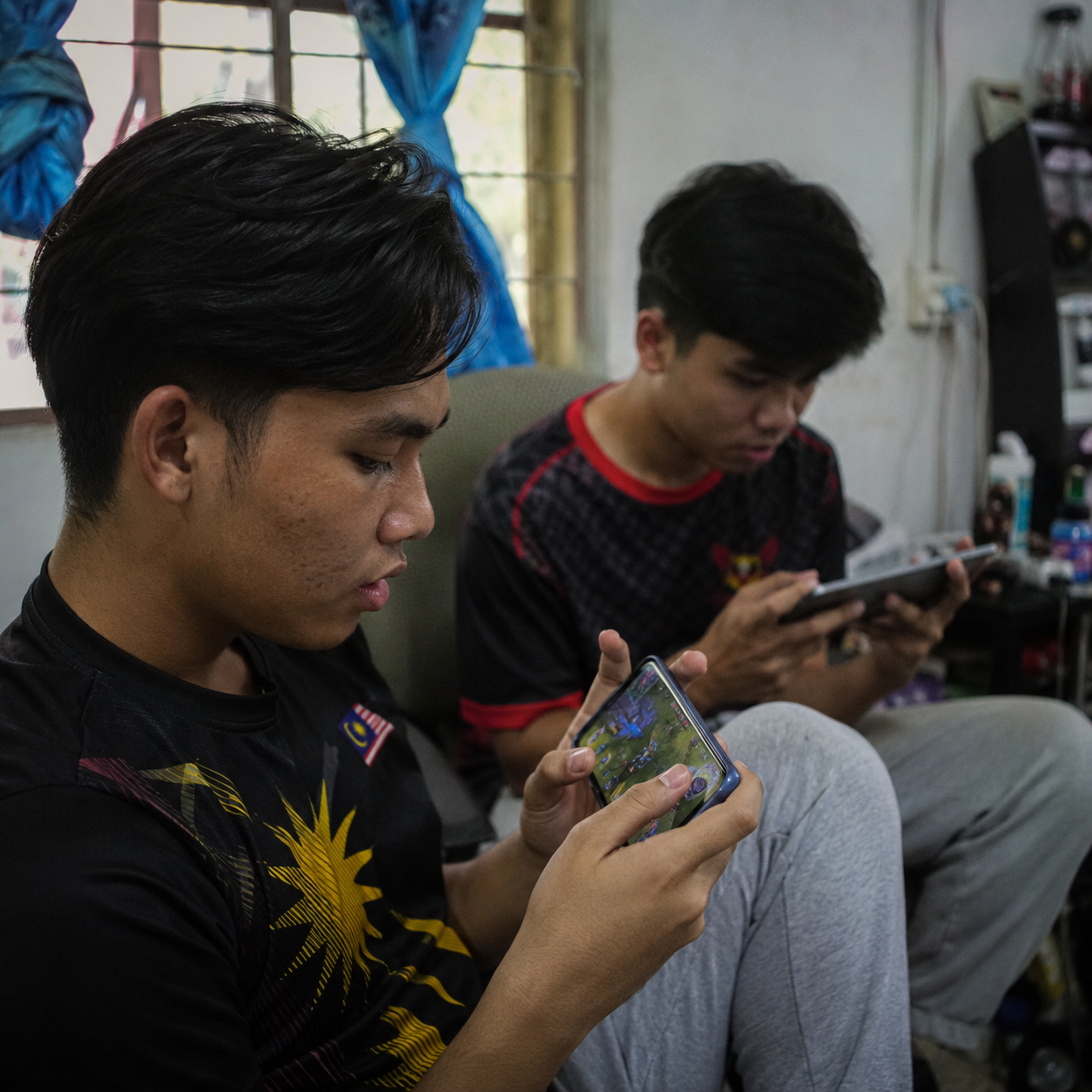
Three months into the Movement Control Order, a pattern was becoming clear to anyone paying attention to the Malaysian esports scene. Viewership on local streaming platforms had spiked. Grassroots online tournaments — organised in WhatsApp groups and Discord servers, with digital prize pools and no formal sponsorship — were running every weekend across every major title. The player bases for MLBB, DOTA 2, VALORANT, and FIFA Online had grown measurably.
Malaysian esports did not suffer in the MCO the way traditional sport did. It thrived.
Understanding why — and being honest about the limits of what that growth means — matters for anyone thinking seriously about where Malaysian competitive gaming goes from here.
What the MCO Removed
The MCO, which took effect on 18 March 2020, closed physical spaces across the country. Gaming cafes shut. LAN events — the spine of grassroots esports competition in Malaysia — stopped entirely. University esports clubs, which had been one of the primary pipeline environments for young competitive players, suspended all activities.
These were real losses. LAN competition, despite its logistical limitations, provides something that online play cannot fully replicate: the pressure of performing physically alongside opponents, in front of a live audience, with the latency and hardware variables of a shared environment. That experience has historically been where Malaysian esports players learned to compete, not just to play.
When traditional Malaysian sport was dealing with the same shutdown, the losses were immediately visible — gyms padlocked, training camps cancelled, fight cards withdrawn. Esports faced equivalent losses at the grassroots level. They were just less visible because the product kept appearing on screens.
What the MCO Gave
The enforced time at home produced something genuine. Malaysian players, particularly in mobile titles, accumulated game time at a rate that was not achievable before the MCO. University students who had previously balanced esports practice against classes, part-time work, and social commitments suddenly had nothing but time and a fast internet connection.
The numbers in MLBB’s Malaysian ranked queues, in DOTA 2’s Southeast Asian server activity, in VALORANT’s closed beta engagement — all moved upward across the MCO period. This is not a trivial observation. At the highest levels of competitive gaming, skill development is a function of deliberate practice volume. The MCO provided three to six months of unexpected practice volume for a generation of Malaysian players who were already competitive.
I spoke to several players in the MLBB community during this period. The consistent observation was that ranked performance was improving faster than it had at any previous point — not because the competition was weaker, but because they were simply playing more, more consistently, and with more time to review their own replays and study higher-level gameplay.
The Structural Caveat
The MCO dividend had a ceiling. You can improve individual skill through volume practice. You cannot develop team cohesion, communication under pressure, or the specific competitive intelligence that comes from high-stakes tournament play by playing ranked alone.
Malaysian esports’ challenge has never primarily been individual talent. The VALORANT VCT Pacific picture makes this clear: Malaysian players are good enough to earn roster spots in regional organisations, but the organisational infrastructure to convert that talent into championship-level teams remains underdeveloped. More ranked games during the MCO did not change that.
What the MCO did produce was a larger pool of technically capable players entering the competitive pipeline — players who, with the right organisational support, could become the basis of the next generation of professional Malaysian esports teams.
The Online Tournament Ecosystem
One underreported aspect of the MCO period was the growth of Malaysia’s informal online tournament ecosystem. Without LAN events, the grassroots scene reorganised itself around online formats. Community organisers — often volunteers with no formal backing — created regular competitive structures that kept hundreds of teams playing in meaningful competitive contexts.
This infrastructure was improvised and inconsistent, but it mattered. Teams that might otherwise have gone dormant during the MCO instead maintained competitive habits and continued developing. Some of the community structures built during the MCO period survived the reopening and became permanent features of the grassroots landscape.
The Birmingham Commonwealth triumph in 2022 drew on a generation of players whose development years included the MCO period. That connection is not coincidence.
What the Dividend Means
Malaysian esports enters the post-MCO era with a more experienced player base than it had in February 2020. The question is whether the organisational layer above that player base — the teams, sponsors, leagues, and institutions — can build structures that convert individual improvement into collective competitive performance.
The MCO gave Malaysian esports time. What Malaysia does with the players who spent that time getting better is the story that will define the next five years of the scene.