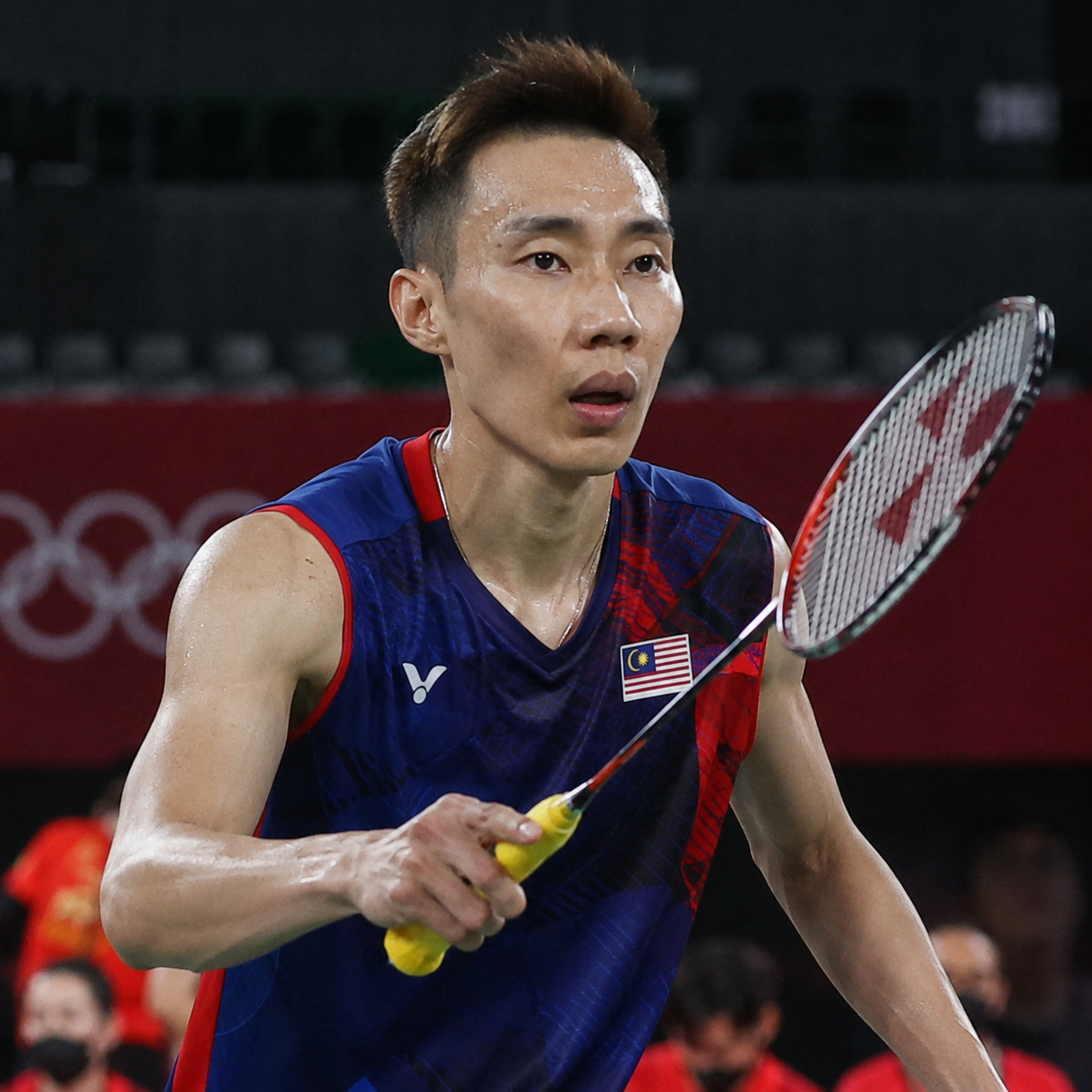
Aaron Chia and Soh Wooi Yik won Malaysia’s only Olympic medal at Tokyo 2020 — a bronze in men’s doubles badminton — on 31 July 2021, thirteen months after the Games was originally scheduled. The delay, the closed venue, the daily testing, the village isolation protocols — these were the conditions under which every athlete at Tokyo competed. But understanding what that specific context cost the athletes who performed through it is worth doing properly.
The pair’s preparation for Tokyo was meticulous. Badminton Association of Malaysia’s sports science team, working with ISN physiologists, had built a periodisation plan that was disrupted by the postponement and then rebuilt for the revised dates. The fact that a bronze medal resulted from that process is a tribute to the athletes, their coaching staff, and the sports science infrastructure that supported them.
It is also the beginning of a more complicated story.
The Postponement’s Impact
According to Bernama’s reporting on BAM’s Tokyo preparations, the one-year postponement of the Tokyo Games created challenges that sports scientists across every Olympic programme were navigating without precedent. A periodisation plan built toward July 2020 was never designed to be extended by twelve months. Peak form in individual sports is something that can be sustained for weeks, not years.
The ISN’s sports science team rebuilt the preparation plan, managing the extended timeline with careful load management and strategic competition choices through 2021. The bronze medal was evidence that the rebuild worked.
What the bronze medal cannot show is the psychological and physical cost of sustaining Olympic-level motivation and preparation through a twelve-month delay, a pandemic, and the growing uncertainty about whether the Games would actually happen at all.
What Tokyo Felt Like
Athletes who compete at the Olympics under normal circumstances describe the experience as both the highlight of their careers and one of the most physically and emotionally demanding events they have ever experienced. The intensity of the competition, the pressure of the occasion, the years of sacrifice concentrated into a few days of performance — these are features of the Olympic experience even in ideal conditions.
Tokyo 2020 added dimensions that were new to everyone. The athlete village, normally a space of shared anticipation and communal energy, was structured around distancing and movement restrictions. The competition venues, normally charged with crowd noise and partisan energy, were empty of spectators. The medal ceremonies were modified. The social rituals that athletes rely on to process the experience — the shared meals, the informal interactions, the physical proximity that sport normally involves — were significantly constrained.
The mental health dimensions of that experience are only now being properly studied. What is clear from the accounts of athletes who competed is that Tokyo demanded a specific kind of psychological resilience that nobody had trained for.
The Bronze’s Legacy
Aaron Chia and Soh Wooi Yik’s medal was Malaysia’s first Olympic badminton medal in men’s doubles. Beyond the historical record, it established a reference point for what happens when sports science preparation, coaching quality, and athletic talent come together effectively under adverse conditions.
The Paris 2024 preparation cycle drew explicitly on the Tokyo lessons. Not just the sports science methodology — the periodisation models, the load monitoring, the recovery protocols — but the psychological preparation and the mental health support infrastructure that Tokyo had shown was needed.
Tokyo was a difficult Games to compete in and a difficult achievement to celebrate without also acknowledging the strangeness of the context. Aaron Chia and Soh Wooi Yik won their medal in an empty arena, with nobody in the stands, at an Olympics that was happening on the condition that it was safe enough to happen.
They won it anyway. That is what the bronze means.