
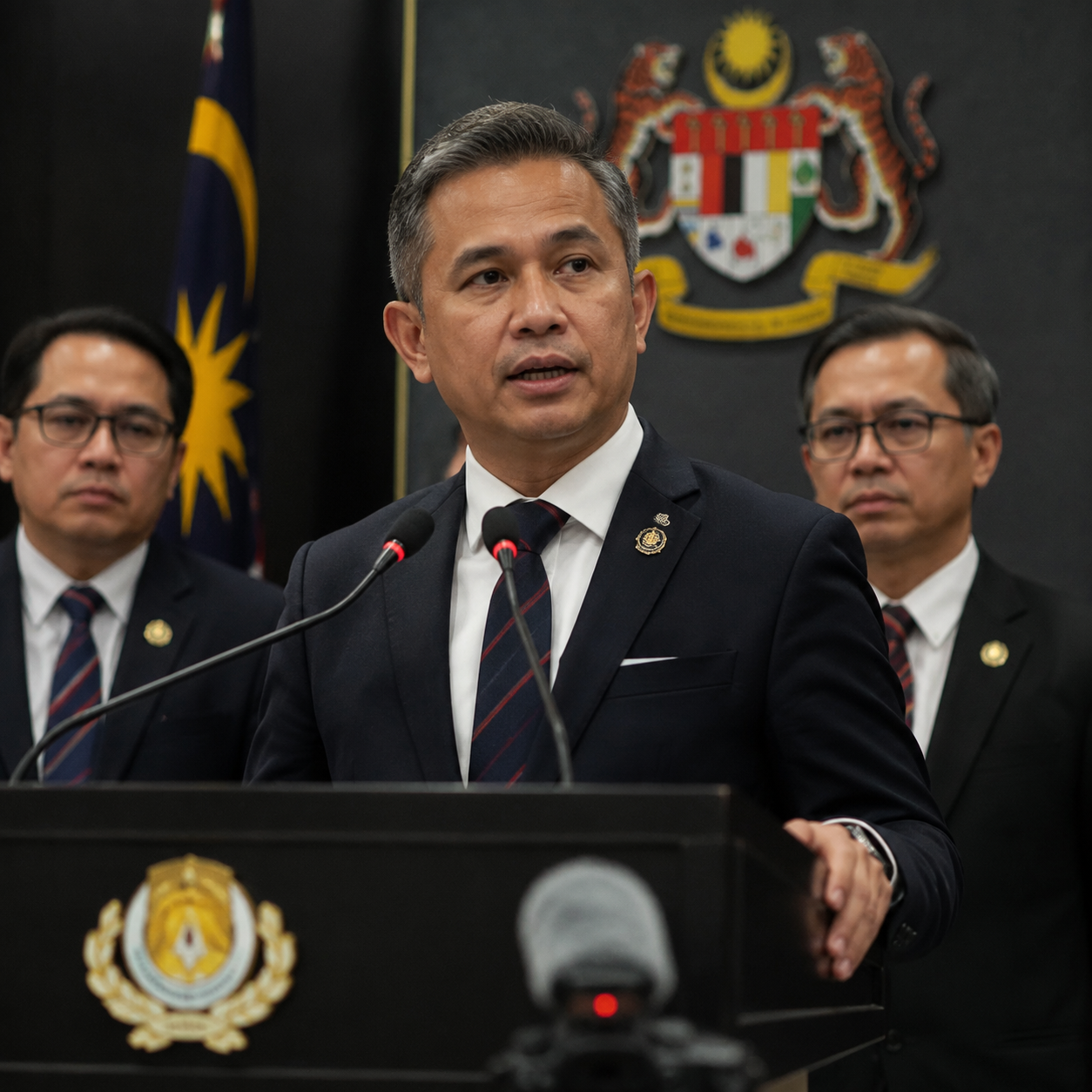
The 2023 Budget, tabled by the Ministry of Finance in October 2022, included an allocation to the Kementerian Belia dan Sukan that represented the largest sports ministry budget in Malaysian history. The headline figure was notable. The details of how it would be deployed — which sports, which programmes, which infrastructure — were the more important story.
I cover Malaysian sport. The budget cycle is one of the few moments in the year where the gap between rhetoric and resource becomes visible. When the minister’s press statement uses words like “comprehensive” and “transformational,” the question worth asking is: compared to what, and measured how?
What the Allocation Covered
According to the Budget 2023 documentation from the Ministry of Finance Malaysia, the KBS allocation covered four broad areas: high performance sport development, sports infrastructure and facility upgrades, youth sport and development programmes, and sports industry and esports development.
The high performance line was the largest single component, reflecting the approach established in the National Sports Policy — concentration of resources on medal-potential athletes in the specific disciplines with the highest international competitive return.
The infrastructure component was significant given the 2027 SEA Games hosting commitment. Venue preparation and athlete support facility upgrades require sustained multi-year investment, and the 2023 budget’s infrastructure allocation was presented as the first tranche of that multi-year programme.
The esports line was new in its visibility and scale. The Commonwealth Esports Championships success in Birmingham had made the political case for esports investment in a language that the budget process understands — medals, recognition, international standing.
The High Performance Concentration
The high performance budget concentration reflects a deliberate policy choice: deploy resources where they convert most directly into international medals. Badminton, athletics, cycling, and combat sports have established pipelines and demonstrated capacity to deliver at Olympic and Commonwealth Games level.
The ISN’s sports science infrastructure benefits significantly from this concentration — the sports science budget is essentially a function of the high performance allocation, and the quality of Olympic preparation available to Malaysian athletes in the Paris 2024 cycle depended directly on what the 2023 budget made possible.
The counterargument — that concentration at the elite level under-invests in the grassroots that produces elite athletes — is real and persistent. The budget’s youth sport component addressed this argument but at a scale that critics argued was insufficient relative to the challenges of participation and development below the national squad level.
The Esports Question
The esports allocation raised a practical question that the budget documentation did not fully answer: which organisation would administer it, and to what ends?
Malaysia’s esports ecosystem includes the national esports association, multiple game-specific bodies, university and school leagues, and commercial tournament operators. The relationship between these actors and the formal KBS structure was not yet settled in ways that would allow clean delivery of a government esports budget.
This is a governance challenge, not a resources challenge. The money matters less than the question of whether the institutional structures exist to spend it effectively on player development, competitive infrastructure, and the long-term building of the ecosystem that produces SEA Games and Commonwealth Esports-calibre performers.
What the Record Figure Actually Means
A record budget allocation is a political statement as much as a financial one. The statement says: sports matter to the government that produced this budget.
Whether it translates into the sports development outcomes its headline suggests depends on what the annual spending reports, audited against the outcomes promised, eventually show. The history of Malaysian sports ministry budgets includes allocations that produced genuine infrastructure and development, and allocations that dissipated in administration and announcement.
The 2023 allocation gave the Malaysian sports system the resources to do something significant. The question of whether it did is the one worth tracking in the years that follow.