
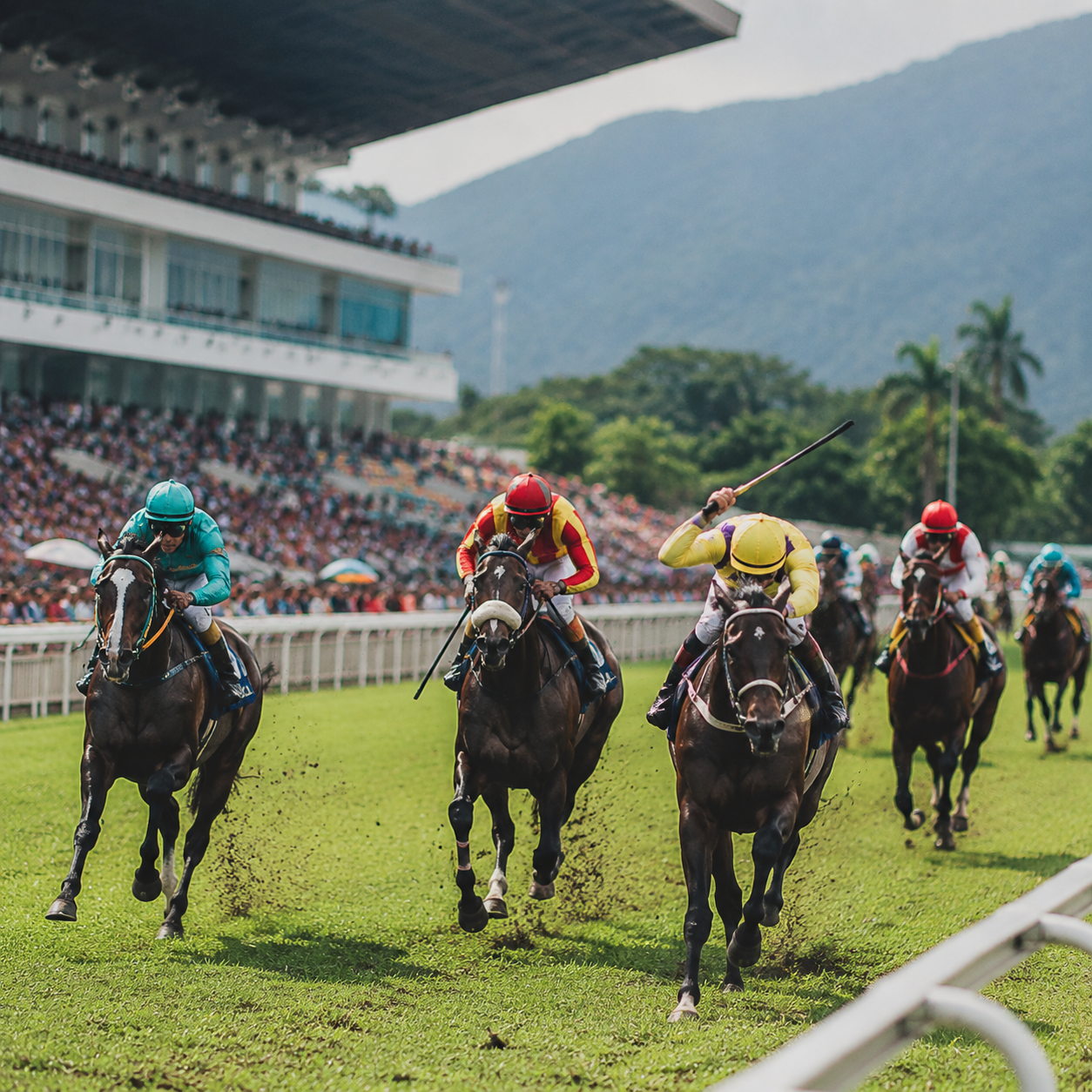
The final race at Penang Turf Club was run on the afternoon of 31 May 2025. It was a Saturday. The weather was what Penang weather almost always is — hot, humid, with clouds building over the hills to the east that would probably turn to rain by evening.
I had been to Penang Turf Club before. Many times. But standing in the grandstand on that last afternoon, watching the horses come onto the track for the final card, the weight of the occasion was different from anything else I have attended in twenty years of sports journalism.
One hundred and sixty years. The club had been founded in 1864, making it older than the Federation of Malaya, older than the streets of Georgetown that surround it, older than almost anything else in Malaysian sporting life. The dissolution vote in April 2024 had made the final day inevitable. But knowing something is coming and experiencing its arrival are different things.
The Last Card
The racing itself, on that final day, was good. Penang’s track has always produced competitive racing — the prize money was never what Selangor offered, but the quality of the horsemanship and the engagement of the crowd had a character of its own.
The final race was contested by seven horses. The winner crossed the line to a roar from the grandstand that was louder than the size of the crowd strictly warranted. People were not just cheering a race. They were marking an ending.
According to reporting by Penang’s Buletin Mutiara and the Malaysian racing authority, the club’s management had been working with the relevant authorities on the transition of the site, which occupies prime land near Georgetown’s heritage zone. The details of what happens to the land were still being finalised as the last horses were led away.
The Stable Hands
The human cost of a closure like this is dispersed and easy to miss in the coverage of buildings and land values. I spent the morning of the final race day talking to people in the stables — the groomers, the exercise riders, the gate operators who had spent decades at the track.
Some had worked at Penang Turf Club for thirty years. The Selangor racing circuit was the obvious employment alternative, but not everyone could or wanted to relocate. The skills that a career at a racing club develops — horse handling, track knowledge, the particular attentiveness that working around thoroughbreds requires — do not transfer easily to other employment.
The Selangor Turf Club’s own uncertainties meant that the alternative venue was itself not secure. Malaysian thoroughbred racing as a whole was navigating a difficult period, and the Penang closure concentrated that difficulty onto a specific group of people who had not chosen to be part of a structural industry problem.
What the Track Leaves Behind
The land value of the Penang Turf Club site will shape its future more than its sporting history. Georgetown’s property market, the heritage zone considerations, the competing interests of developers and conservationists — these will determine what stands where the horses used to run.
What will not transfer to whatever is built there is the memory of 160 years of Saturdays. The specific social texture of Penang racing — the mix of communities, the generational regulars, the horse owners and breeders who had been part of the culture for decades — ends with the final race.
I left Georgetown on the evening of 31 May driving through rain, as I had expected. In the rear-view mirror, the floodlights of the grandstand were still on. They would not be on much longer.