
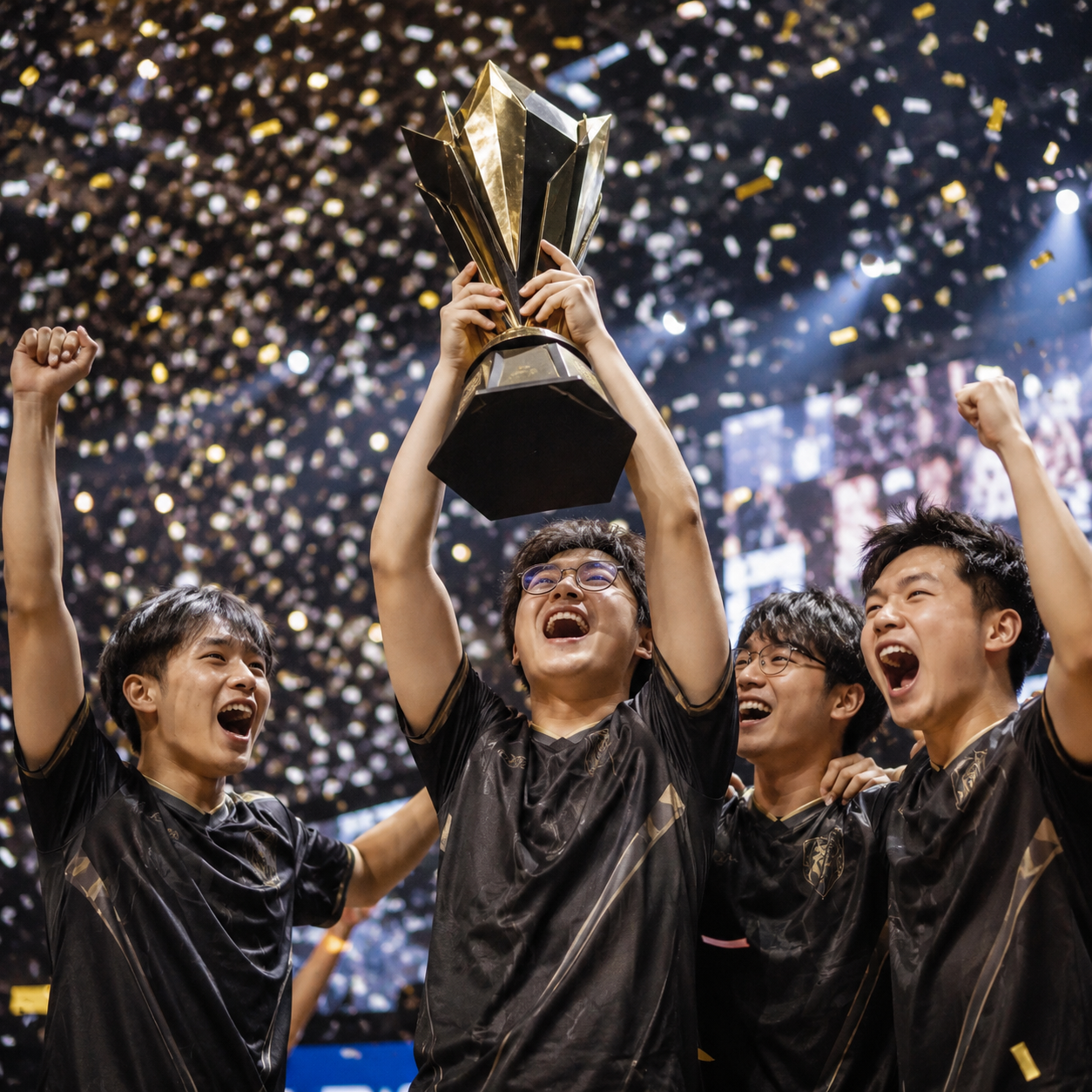
The 31st SEA Games in Hanoi, Vietnam, ran from 12 to 23 May 2022. Among the disciplines added to the programme was Mobile Legends: Bang Bang — a decision that reflected both the game’s regional dominance and the wider push to include esports in multi-sport frameworks.
Malaysia entered the MLBB event with a team that had credible regional competitive experience. They competed against the best mobile gaming talent in Southeast Asia, advanced through the group stage, and finished third. The Philippines won gold.
Bronze at the SEA Games is not failure. It requires competing and winning at a level that most aspiring esports players never reach. But it is useful to be honest about what bronze at the 2022 MLBB event meant in context — and what it honestly did not mean.
The Competition Structure
According to SEA Games Hanoi 2022 official results reporting via Bandwagon Asia, the MLBB tournament at the SEA Games involved eight teams competing in a round-robin group stage before knockout rounds. The Philippines went through the competition with dominant performances. Malaysia won its group matches to reach the knockout stage and then lost to Indonesia in the semi-finals before defeating another opponent for bronze.
The team Malaysia faced and lost to in the semi-finals was Indonesia — a program with deep organisational roots in MLBB, supported by one of the world’s largest mobile gaming markets and a professional league infrastructure that has been running in earnest since 2019.
What Bronze Showed
The result showed that Malaysian MLBB talent, when organised and prepared for a major event, can compete with most of the region. It also showed that the top tier — the Philippines and Indonesia specifically — operates at a different developmental level.
This is not about individual player quality. Malaysian MLBB players include some of the most technically gifted in the region. The gap is structural. Teams that compete together weekly in professional leagues, against quality opposition, with coaching staff and analytical support, develop a synergy that a tournament-assembled national squad cannot replicate over a few weeks of preparation.
It is the same structural argument that appears in the M5 World Championship context and, from a different angle, in the VCT Pacific discussion. Malaysian esports is not short of talent. It is short of the competitive infrastructure that converts talent into cohesive, match-hardened professional teams.
The SEA Games as a Platform
What the Hanoi result did do, credibly, was place Malaysian MLBB in a framework that the broader sports media and policy community understands. The SEA Games has a language — medals, rankings, national representation — that traditional sports administrators and journalists recognise.
A bronze medal at a SEA Games creates a pathway for conversation about investment that a strong finish at a regional MLBB tournament, however impressive to the esports community, does not. This is a reality, not a value judgement.
The KBS budget conversations in the years following Hanoi began to include esports in a more substantive way. The SEA Games result was part of the reason those conversations became possible.
Preparing for Home
Malaysia will host the 2027 SEA Games. If MLBB is on the programme — and given its continued growth, there is every reason to expect it will be — Malaysia will compete in front of its own crowd for a gold medal in Kuala Lumpur or one of the co-host cities.
Between Hanoi bronze and a home gold in 2027 is a five-year development window. The teams that compete in Hanoi and the coaches who prepared them need to be building toward that moment consistently, not just assembling for major events.
That sustained effort is what the bronze did not guarantee but made more imaginable. It gave Malaysian MLBB a reference point. The work of building past it starts now, if it has not already.